Chest Injuries on the Trail: Recognising a Fractured Sternum
A rider goes over the handlebars on a steep descent. A walker slips on wet rock and lands on a boulder. A horse stumbles on a track and its rider is thrown forward. In each case, the pain that follows sits in the middle of the chest, and the first thought is a bruised rib. Sometimes the injured bone is the breastbone.
How trail falls injure the breastbone
The sternum, or breastbone, is a flat bone in the centre of the chest that anchors the ribs and protects the heart. It is strong, so it takes a heavy blow to break it. Typical causes include a direct hit from handlebars or a fence, landing on a rock, a crushing fall from a horse, and, in cars, the seat belt.
The page from the practice of Mr Marco Scarci, a consultant thoracic surgeon, states that the great majority of sternal fractures are managed without surgery and that CT is the gold standard for diagnosis because standard X-rays miss many fractures. It also lists seat belt injuries among the causes it sees and mentions cardiac monitoring in the assessment.
Because the injury is uncommon and the symptoms resemble a rib bruise, it is often missed on the day. A person who has hit the chest hard and has pain over the middle of it should be assessed instead of waiting.
Read more about sternal fracture diagnosis and treatment at https://marcoscarci.co.uk/sternal-fractures-diagnosis-treatment/.
What the research shows
A systematic review in International Orthopaedics, available as a review of traumatic sternal fractures, notes that sternal fractures are rare, with an incidence of less than 0.5 percent of all fractures and an estimated 3 to 8 percent of blunt trauma patients. It states that the most common mechanism is direct blunt trauma to the front of the chest and that most sternal fractures, more than 95 percent, are treated conservatively.
The review adds that surgical fixation is indicated when a fracture is unstable, displaced or fails to unite. Conservative treatment consists of pain relief, rest and, in some reports, a supportive corset. Its authors caution that the literature is limited, since sixteen studies reported on 191 patients and most were of poor quality.
In practical terms, the evidence supports a stepwise approach. Most people recover without an operation, a minority need fixation and the quality of the evidence is modest, so decisions are individual. Riders and walkers should take comfort from the first point and caution from the last, since a person who is told it is only a bruise has no guarantee that the diagnosis is right without proper imaging.
Recognising the symptoms
The classic sign is pain directly over the breastbone that worsens with deep breathing, coughing, laughing, sneezing or lying flat. The area may be tender, bruised or swollen, and a step or a click may be felt. Movements that use the chest, such as pushing up from the ground, are painful.
Other signs matter. Breathlessness, dizziness, palpitations or pain spreading to the arm or jaw require urgent assessment, since a heavy blow to the chest can injure the heart or lungs. The practice notes that fractures of the spine can accompany sternal fractures, reporting vertebral fractures in up to 40 percent of cases, so back pain after a fall should be mentioned.
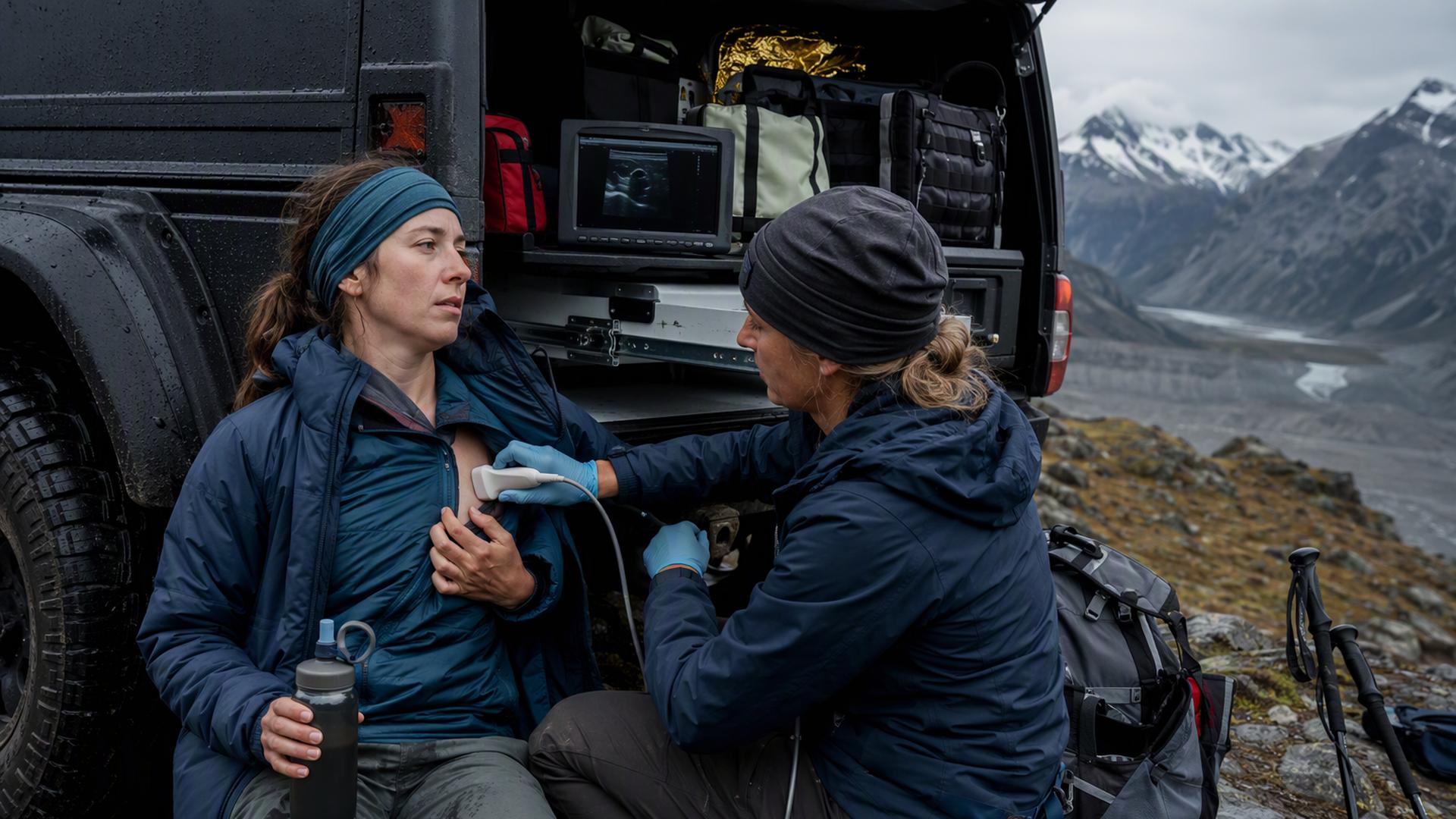
Anyone who has been thrown from a bike or horse and has chest pain should have an assessment at an emergency department or urgent treatment centre, including an ECG, because the pain alone cannot show which structures are hurt.
How the diagnosis is made
Assessment begins with the history and examination, followed by imaging. A chest X-ray is usually done first to look at the lungs and ribs, but it can miss a sternal fracture, particularly if the bone ends have not moved. A CT scan shows the fracture clearly, together with injuries to the lungs, spine and other structures.
Because the heart lies directly behind the sternum, doctors often check an ECG and may measure blood markers of heart muscle injury. If the tests are normal, serious cardiac injury is unlikely, and patients are usually discharged with advice.
A specialist consultation can add a plan for pain control, a view on whether the fracture is stable and a schedule for follow-up imaging if it is not. It can also cover safe return to work and sport, and whether a spinal injury needs its own review, because the two often travel together after a heavy fall.
Treatment, recovery and when surgery is needed
Treatment for most people is simple. Regular pain relief lets you breathe deeply and cough, which prevents chest infection. Rest, a pillow held against the chest when coughing, and gentle walking help. Heavy lifting, pushing and impact sports are avoided until the bone has healed, which usually takes several weeks.
Surgery is reserved for specific problems. The practice describes plate fixation for displaced or non-healing fractures, and sternal nonunion, in which the fracture gap persists, is confirmed on CT. Persistent pain, a clicking sensation or a visible deformity after several months should prompt reassessment.
Plan the return to the trail in stages. Walk first, then cycle on flat ground and add rough terrain only when breathing, coughing and pushing are comfortable. A clinician can tell you when it is safe. Wearing a well-fitted chest protector on technical descents or when riding fast may reduce the risk of a repeat injury.